

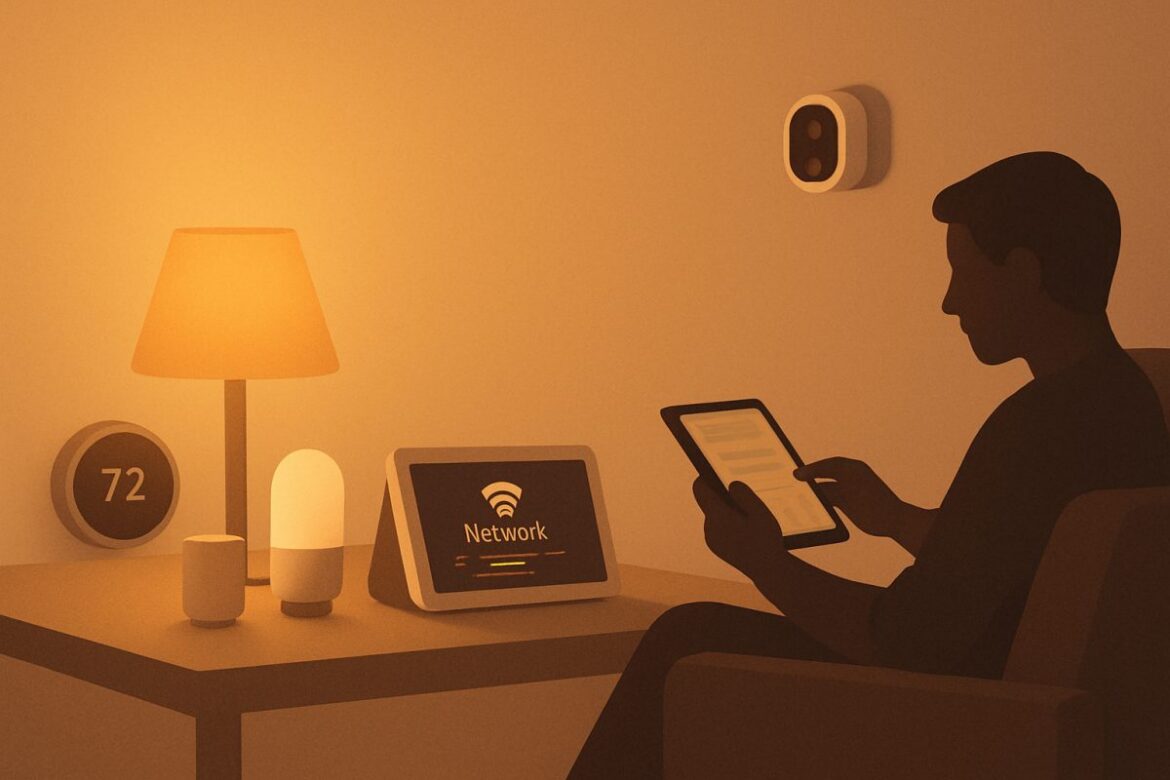
In this comprehensive guide, you will learn how to disable Active Armor in the Smart Home Manager. This is a crucial step if you’re experiencing network issues or wish to customize your home network settings. By following this guide, you’ll gain precise control over your network security features, ensuring your smart home functions optimally.
Understanding Active Armor and Its Role
Active Armor is a robust security feature integrated into Smart Home Manager, designed to provide comprehensive protection against cyber threats. It continuously monitors your network for any suspicious activity and automatically blocks potential threats such as malware, phishing attacks, and unauthorized access attempts. Active Armor is particularly beneficial for users who prefer a set-it-and-forget-it approach to network security.
However, there are situations where disabling Active Armor might be necessary. For example, troubleshooting network issues, integrating specific smart devices that require custom settings, or testing alternative security solutions. It’s vital to understand that while Active Armor offers significant protection, its settings can sometimes conflict with the requirements of certain smart devices or custom network configurations. This can manifest as connectivity issues or restricted functionality, which can be especially problematic in a smart home environment where seamless operation is crucial.
Prerequisites for Disabling Active Armor
Before proceeding with disabling Active Armor, ensure you have the following:
- Access to the Smart Home Manager app on your device. This app is available for download on both iOS and Android platforms. Ensure you have the latest version to avoid compatibility issues.
- Administrative rights to your network. Only users with admin privileges can modify security settings. Verify your credentials beforehand to prevent any access issues.
- A stable internet connection to ensure that changes are successfully applied and updates are downloaded if necessary. A minimum speed of 5 Mbps is recommended for optimal performance.
It’s important to note that disabling Active Armor may leave your network vulnerable to threats, so it should be done with caution and a thorough understanding of your network’s security requirements. Always have a backup security solution ready to deploy if needed. Consider using a hardware firewall or a robust VPN as an immediate alternative.
Step-by-Step Guide to Disabling Active Armor
Accessing the Smart Home Manager
- Open the Smart Home Manager app on your smartphone or tablet. Ensure that you are using the latest version of the app to avoid any compatibility issues.
- Log in using your administrative credentials. If you have forgotten your credentials, use the “Forgot Password” feature to reset them. Note that password reset might require access to your email or phone for verification.
- Navigate to the “Network” section from the main menu. This section provides an overview of your current network status, connected devices, and security settings. Familiarize yourself with the layout to locate settings quickly.
Locating Active Armor Settings
- Within the “Network” section, find the “Security” tab. This tab consolidates all security-related features including firewall settings, parental controls, and more.
- Select “Active Armor” from the list of security features. Here, you will find detailed information about the feature’s current status and recent activity logs. Review the logs to understand what types of threats have been blocked recently.
Disabling Active Armor
- Toggle the switch next to “Active Armor” to the off position. A confirmation dialog will appear, warning you about potential security risks. Carefully read the warning to understand the implications.
- Confirm your choice when prompted to proceed with disabling the feature. It may take a few moments for the changes to take effect. You might be required to enter your admin password again for verification.
- Restart your router to apply the changes effectively. This step ensures that all devices connected to your network recognize the updated security configuration. Wait for at least 5 minutes after restarting to ensure all settings are properly applied.
Potential Pitfalls and How to Avoid Them
Disabling Active Armor can lead to certain challenges:
- Increased Security Risks: Without Active Armor, your network is more susceptible to cyber threats. Consider implementing alternative security measures such as enabling a firewall or using a VPN. A VPN can encrypt your data, providing an additional layer of security.
- Device Compatibility Issues: Some smart devices may rely on specific security settings. Ensure your devices are compatible with the new configuration by checking their documentation or contacting the manufacturer. For instance, some IoT devices require specific port settings that Active Armor might block.
- Network Instability: Disabling security features might cause network instability. Regularly monitor your network performance after changes and be ready to re-enable Active Armor if necessary. Use network diagnostic tools to identify any issues that arise post-disabling.
Comparing Active Armor with Other Security Solutions
| Feature | Active Armor | Third-Party Security Apps |
|---|---|---|
| Integration | Built-in with Smart Home Manager | Requires separate installation and configuration |
| Cost | Included in Smart Home Manager | Varies, often subscription-based with additional features |
| Customization | Limited to Smart Home Manager settings | Highly customizable, offering a wide range of settings and features |
| Support | Provided by Smart Home Manager support team | Depends on the provider, often includes community forums and customer service |
| Updates | Automatic updates through Smart Home Manager | Manual updates may be required, depending on the provider |
FAQ
Is it safe to disable Active Armor?
While disabling Active Armor can expose your network to potential risks, it might be necessary for troubleshooting or device integration. Ensure you have alternative security measures in place to protect your network, such as enabling a firewall or using a virtual private network (VPN). A layered security approach is recommended to mitigate risks effectively.
Can I enable Active Armor again after disabling it?
Yes, you can re-enable Active Armor by following the same steps and toggling the switch back to the on position. Restart your router to ensure the changes take effect. It’s recommended to periodically review your security settings to adapt to new threats. Make a habit of checking for updates or patches that might enhance security features.
Will disabling Active Armor affect my smart devices?
Disabling Active Armor may impact the security and connectivity of certain smart devices. Check for device-specific requirements and adjust settings accordingly to maintain compatibility. Some devices may require port forwarding or specific firewall rules to function correctly. Refer to your device’s manual or support resources for detailed instructions.
What are the alternatives to Active Armor for network security?
Alternatives include third-party security applications, hardware firewalls, and regularly updating device firmware. Each option offers different levels of protection and customization. Consider using a combination of solutions to create a layered security approach, which can provide more comprehensive protection against a wide range of threats. For instance, pairing a hardware firewall with a VPN can significantly enhance your network’s defense capabilities.
Next Steps
After disabling Active Armor, continuously monitor your network for any anomalies. Consider setting up alternative security solutions to maintain a secure environment. For further customization and optimization of your smart home, explore our Transform Your Home: Step-by-Step Guide to a Smart Home guide for more insights. Regularly reviewing and updating your security settings will help ensure your smart home remains protected against evolving cyber threats. Stay informed about the latest security trends and technologies to keep your network safe and efficient.